Free on-demand TRAINING FOR TUBA PLAYERS WITH A GIG TO PLAY
Your Tuba Could Be The BASS In Any Band.
Somebody calls a tune, there's no chart, and you freeze up on the spot. In this free on-demand training, you'll learn to hear a bassline and play it by ear, the way bass players do: ears first, then groove, then theory.
WATCH
INSTANTLY
ABOUT
60 MINUTES
ANYTIME
ON-DEMAND
Instant access after you sign up.
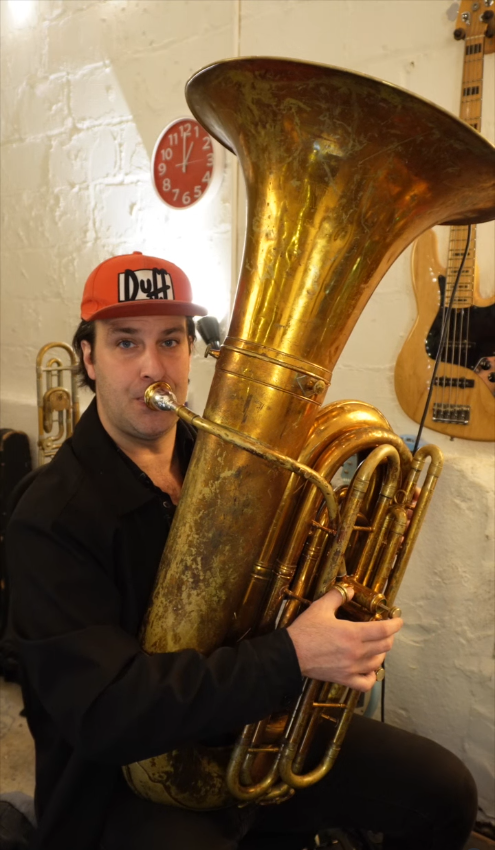
One tune learned by ear will teach you more than another hour of scales.
Hear what a bass player is actually doing underneath the groove.
Walk into the next jam with something you can actually play.
THE REAL PROBLEM
The Gig Exposes What The Sheet Music Hides.
Your reading is fine. Then somebody counts off a tune nobody printed and everything changes. The usual answer is practice harder, learn more rep, or quietly decide you are just not an ear player.
WHEN THE CHART RUNS OUT
You Know The Feeling.
"I have played this horn for twenty years. So why do I freeze up when somebody calls a tune?"
You do not need more etudes. You need to hear what the bass is doing under the groove, and then play that.
WHAT THIS IS REALLY FOR
More Gigs. Less Holding Back.
Nobody hires you for your practice log. They hire you for what happens when the tune starts.
01
SIT IN ANYWHERE.
Somebody calls a tune you have never played and you are in by the second chorus.
02
TAKE THE SOLO.
You step out front and it feels GOOD instead of terrifying.
03
GET CALLED BACK.
The band starts telling you how funky the bassline was. That is the part that hooks people.
WHAT YOU WILL LEARN IN THIS TRAINING
Play Tuba Like A Bass Player.
This is not a list of tuba tricks. It is the three things every bass player does without thinking, which nobody ever sat you down and taught.

HEAR IT, THEN PLAY IT
We take a tune nobody hands you a chart for and pull the bassline off it, playing along with Steven.
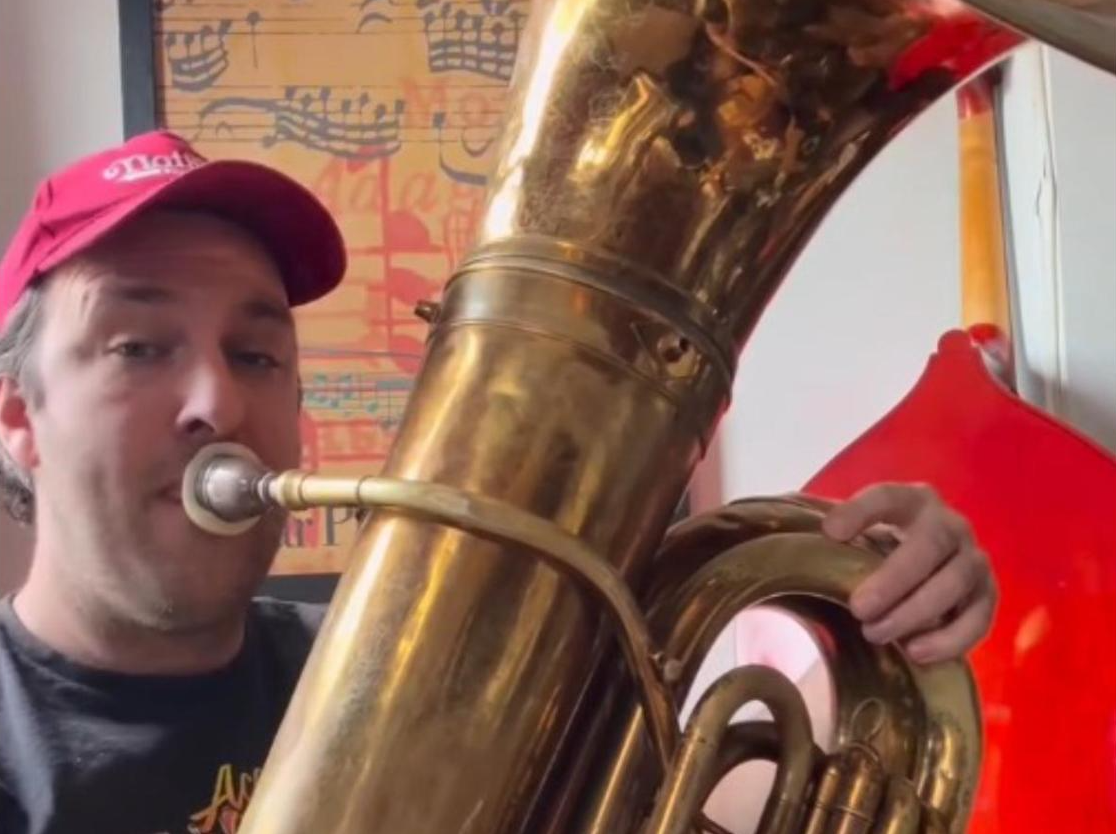
GROOVE IS IN YOUR BODY
Why your time feels stiff even when every note is right, and what bass players do instead.
NUMBERS, NOT NOTES
Real-time theory you can use on a bandstand, so a key change stops being a reason to panic.
Come If The Tuba Matters To You.
This is for players who already have somewhere to put the skills.
THIS IS FOR YOU IF
You Have A Real Reason To Play.
You have a band, a jam, a session or a scene you want to be part of.
You already play. You just want to stop needing the page in front of you.
THIS MAY NOT BE FOR YOU IF
You Want A Free Tuba Tip.
You are collecting free workshops and never playing any of it.
You are sure the classical path is the only legitimate one.
You think the sousaphone is beneath you.
THE WAY STEVEN TEACHES
Don't Start By Trying To Fix Your Whole Playing.
Start with one bassline. Get it in your ear, get it in your body, then work out why it sounds right. Tuba players almost always get taught that backwards.
01
EARS
Learn the line off the recording, not off a page. Slowly at first. Then not slowly.
02
GROOVE
Put it in your body before you put it in your horn. If you are not moving, it will not feel good.
03
THEORY
Name what you already played, in numbers, so you can move it to any key on the stand.
WHY THIS MATTERS
You Are Putting In The Practice Hours Anyway.
Point them at the thing that gets you called back. Right now the same gap is deciding which gigs you take.
You can hear the bassline is doing something, but you cannot yet say what.
You have bought the books and the line still will not come out of the horn.
You have a gig, a jam or an audition coming and want a better place to start.
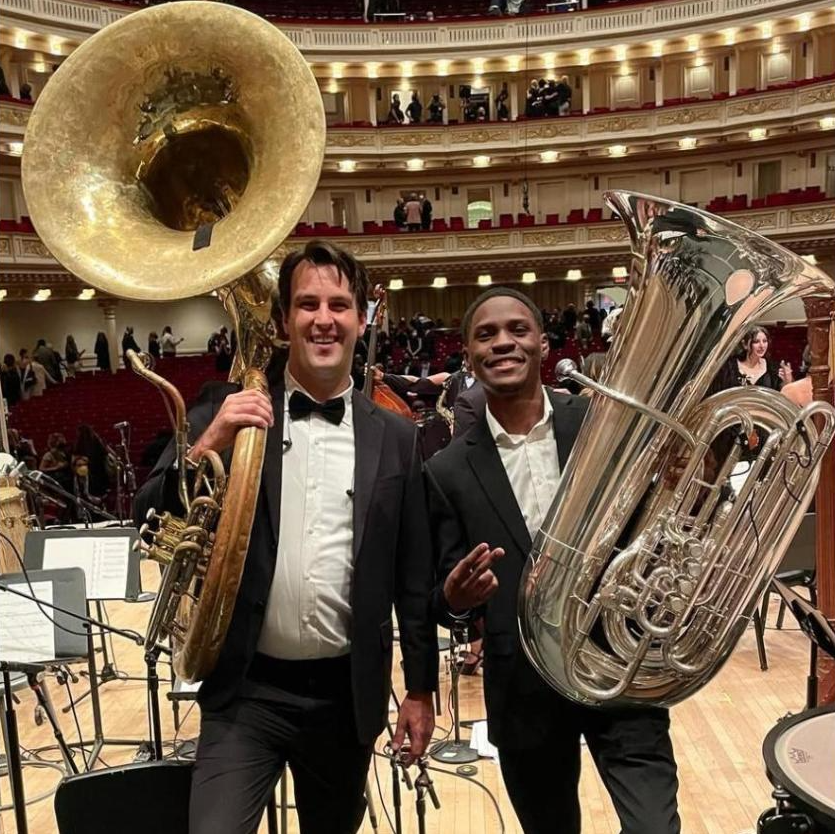
Where practicing the right thing gets you called back.
MEET STEVEN
Steven Duffy
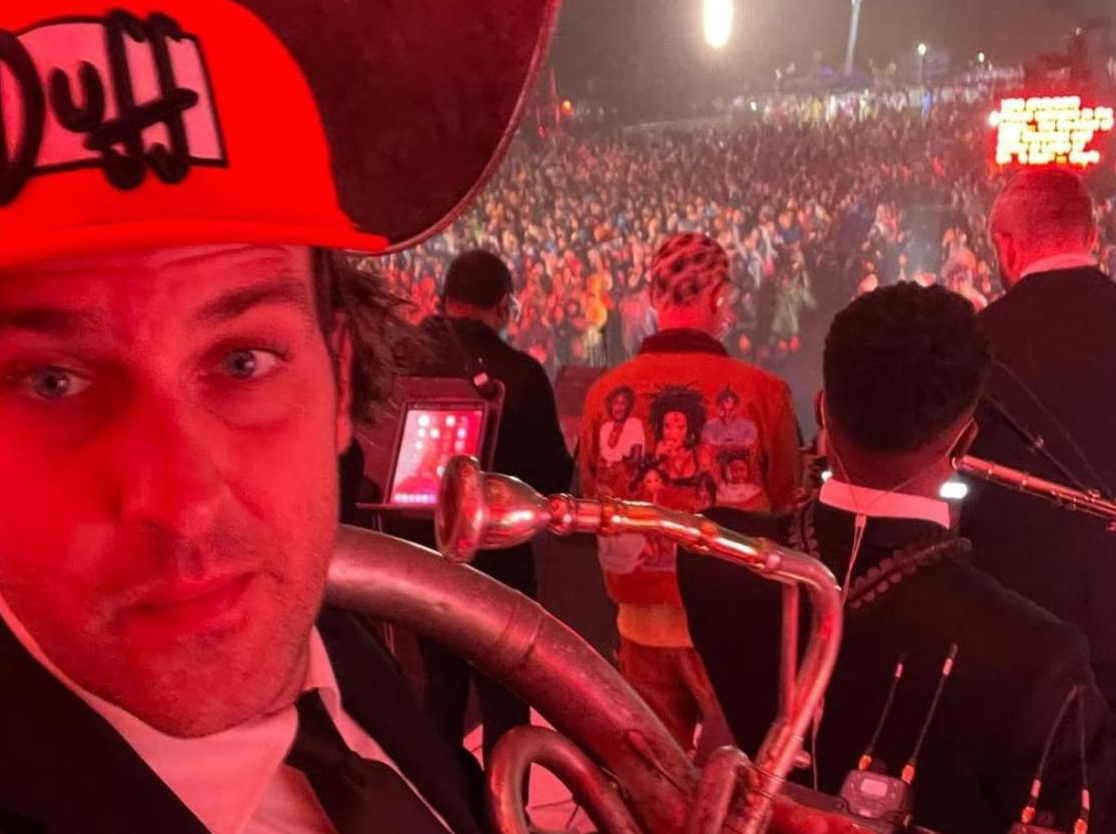
Ten years full-time on sousaphone in New York. Toured with Ms. Lauryn Hill and Jon Batiste, played Carnegie Hall three years running, two Grammy credits. He came up playing bass guitar in Philadelphia churches and cover bands, which is the whole reason any of this exists. Band leaders kept telling him he sounded like a bass player on that tuba. Eventually he worked out why, and started teaching it.
He teaches alongside Nora Nalepka, who tours with Lucky Chops and Brass Queens. A few years ago she had a full-time job and a community band. She started as a TubaBass student.
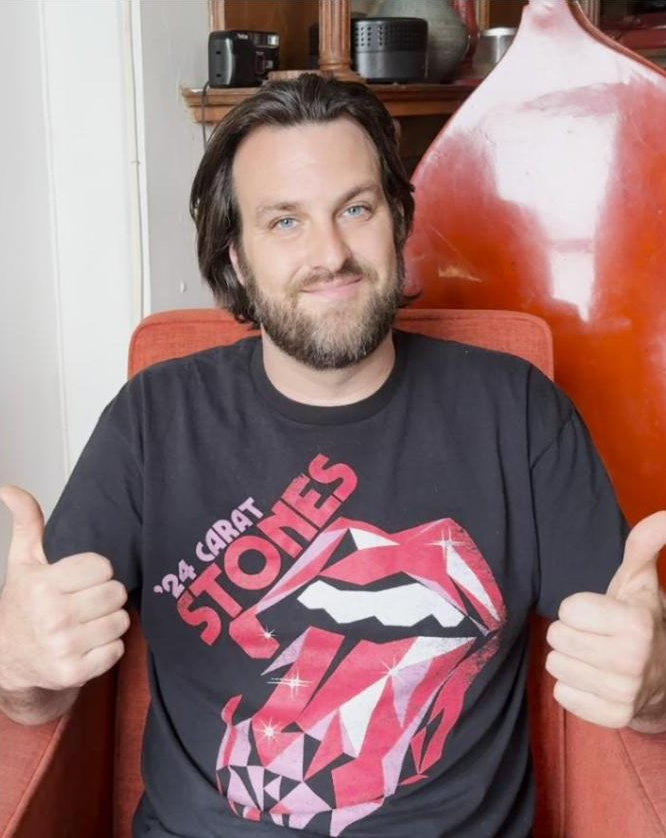
Bring The Tune You Want To Play.
Bring the tune you freeze up on when somebody calls it on a gig. Press play, grab your horn, and pull that bassline off by ear with Steven, so you walk into the next jam ready to play it.
WATCH
INSTANTLY
ABOUT
60 MINUTES
ANYTIME
ON-DEMAND
Instant access after you sign up.